

Bed Bug Removal in Chicago: The Complete Guide
Complete guide to bed bug removal in Chicago, including preparation, laundry treatment, furniture removal, heat treatment and prevention. It covers the Chicago Bed Bug Ordinance, costs and step-by-step extermination. If infested furniture or mattresses must be removed, see our Chicago bed bug junk removal service.
Licensed & insured · Upfront quotes · $129 minimum
Get a Quote in Minutes
Enter your ZIP code to get started.
Key takeaways
- Chicago ranked #1 in the nation for bed bug infestations for the fifth consecutive year in Orkin’s 2025 Top 50 Bed Bug Cities List.
- Bed bugs do not require dirt or poor sanitation; they spread through people, clothing, furniture and luggage, and dense multi-unit housing helps them move between units.
- The guide covers preparation, laundry and heat treatment, furniture removal, the Chicago Bed Bug Ordinance, costs and prevention.
Why Bed Bugs Are a Major Problem in Chicago
Bed bug removal Chicago is a growing concern for residents across the city. According to Orkin’s 2025 Top 50 Bed Bug Cities List, Chicago ranked #1 in the nation for bed bug infestations for the fifth consecutive year. The ranking is based on treatment data from metro areas where Orkin performed the most bed bug treatments between May 2024 and May 2025, covering both residential and commercial pest control services.
Bed bug infestations continue to rise across Chicago due to dense apartment living, heavy travel activity, and the city’s aging multi-unit housing infrastructure. In neighborhoods like Lincoln Park, Logan Square, Wicker Park, Hyde Park, and the South Loop, infestations spread rapidly because units share walls, hallways, plumbing lines, electrical chases, and common laundry areas.
Contrary to popular belief, bed bugs do not require dirt or poor sanitation. They are equal-opportunity pests that infest luxury condos, studio apartments, single-family homes, and commercial properties alike. They spread through the movement of people, clothing, furniture, and luggage. A single untreated unit can lead to infestation across an entire building, making coordinated treatment essential.
This guide explains everything needed for full bed bug removal in Chicago — including preparation protocols, professional laundry treatment, furniture removal services, heat treatment, chemical options, and prevention strategies. Whether you are a tenant dealing with a first-time infestation, a landlord managing a multi-unit building, or a property manager coordinating building-wide extermination, this guide covers every step.
Why Chicago Is a High-Risk City for Bed Bugs
Chicago’s status as America’s most bed bug-infested city is not coincidental. Several structural factors make the city particularly vulnerable:
Dense multi-unit housing.
Over 65% of Chicago residents live in multi-unit buildings. Shared walls, common hallways, interconnected plumbing, and electrical chases create superhighways for bed bugs to travel between units. A 2024 study found that bed bugs in Chicago apartment buildings spread to adjacent units within 2–3 weeks of initial infestation.
High population density and turnover.
Chicago's 2.7 million residents generate constant movement — between apartments, workplaces, schools, and transit. Student neighborhoods like Hyde Park, Lincoln Park, and Rogers Park see particularly high turnover, with bed bugs frequently moving with tenants between units and buildings.
Thriving secondhand economy.
Chicago's active resale market for furniture — through platforms like Facebook Marketplace, Craigslist, and local thrift stores — means infested furniture frequently changes hands. Buyers unknowingly bring bed bugs home with what they believe is a deal on a used couch or mattress.
Aging building infrastructure.
Chicago's housing stock includes thousands of pre-war buildings with lath-and-plaster walls, unsealed baseboards, and shared ventilation systems. These older structures provide countless hiding and travel pathways that modern construction methods eliminate.
Major transportation hub.
O'Hare International Airport, Midway Airport, Union Station, and the CTA system move millions of people daily. Each traveler represents a potential bed bug vector. Luggage, backpacks, and briefcases can carry bed bugs from any city in the world directly into Chicago homes.
Bed Bug Behavior and Biology
Understanding bed bug biology is the first step to effective elimination. Bed bugs (Cimex lectularius) are small, flat, oval-shaped insects that hide in tight spaces and feed exclusively on human blood. They are nocturnal by nature, though hungry bed bugs will feed during the day if necessary.
Key Facts About Bed Bugs
| Fact | Detail |
|---|---|
| Adult lifespan | 6–12 months without feeding |
| Egg production | 200–500 eggs per female lifetime |
| Egg incubation | 6–10 days to hatch |
| Nymph to adult | 5 weeks under ideal conditions |
| Feeding frequency | Every 5–10 days |
| Hiding preference | Within 3–6 feet of sleeping areas |
| Temperature tolerance | Die at 120°F+ sustained heat |
Adults survive 6–12 months without feeding.
This remarkable resilience means that abandoning a property for weeks or months does not solve the problem. Bed bugs simply enter a dormant state and wait for a new host to return.
Females lay 200–500 eggs in their lifetime.
Eggs are tiny — about 1mm — and are coated with a sticky substance that helps them adhere to surfaces. This makes them extremely difficult to remove through vacuuming alone.
Eggs hatch in 6–10 days.
Under warm conditions, eggs can hatch in as few as 6 days. The newly emerged nymphs require a blood meal immediately to molt to the next stage. Within 5 weeks, a single egg can develop into a reproducing adult.
They hide in mattress seams, furniture, and wall cracks.
Bed bugs are master hiders. Their flat bodies allow them to slip into gaps as thin as a credit card. Common hiding spots include mattress seams, box spring crevices, bed frame joints, behind headboards, inside electrical outlets, under baseboards, inside sofa cushions, and behind picture frames.
They survive many traditional pesticide treatments.
Over decades of exposure, bed bugs have developed resistance to common pesticides, including pyrethroids and neonicotinoids. This is one reason why over-the-counter sprays and foggers typically fail to eliminate infestations.
Why Heat Is the Most Effective Killer
Heat treatment is widely considered the gold standard for bed bug elimination because it addresses the limitations of chemical treatments.
Bed bugs die at sustained temperatures of 120°F or higher.
When the ambient temperature in a room reaches 120–135°F and is maintained for several hours, bed bugs at all life stages are killed. The heat penetrates deep into furniture, wall voids, and other hiding places that chemical sprays cannot reach.
Eggs require slightly higher sustained heat exposure.
Bed bug eggs are more heat-resistant than adults and nymphs. Professional heat treatment protocols account for this by ensuring that target temperatures are maintained long enough to penetrate all materials and kill unhatched eggs.
Even one surviving bed bug can restart an infestation cycle. A single fertilized female can produce hundreds of offspring within two months. This is why thoroughness — not speed — is the most important factor in successful bed bug removal.
How Bed Bugs Spread in Chicago
Chicago bed bug treatment professionals see the same patterns year after year. Understanding how bed bugs move through the city helps residents identify risks early and take preventive action.
Apartment-to-apartment migration through walls and electrical outlets.
In Chicago's vintage apartment buildings — especially walk-ups and courtyard buildings constructed before 1950 — units share common wall voids, plumbing chases, and electrical conduit pathways. Bed bugs travel through these spaces to reach adjacent units. A single infested unit can seed an entire floor within weeks.
Shared laundry rooms in multi-unit buildings.
Laundry rooms are high-risk zones. Infested clothing or bedding brought into a shared washing machine or dryer can deposit bed bugs onto surfaces. Even more concerning: tenants carrying infested laundry through hallways and common areas inadvertently spread bed bugs to neighboring units.
Used furniture from resale markets.
Chicago has a thriving secondhand furniture market through Craigslist, Facebook Marketplace, garage sales, and thrift stores. Used mattresses, sofas, headboards, and dressers are common sources of new infestations. Bed bugs can survive for months inside stored furniture, waiting for a new host.
Travel through hotels, Airbnbs, and luggage.
Chicago is one of the most visited cities in the United States, with over 50 million tourists annually. Hotels and short-term rentals in River North, The Loop, Magnificent Mile, and Wicker Park see high guest turnover. Bed bugs travel home with visitors inside luggage, backpacks, and clothing.
Public transportation exposure (CTA trains and buses).
CTA trains and buses — particularly the Red, Blue, and Brown Lines — are high-traffic environments where bed bugs can hitch a ride on clothing or bags. Upholstered seating on trains provides hiding spots, and crowded conditions during rush hour make it easy for bed bugs to transfer between passengers.
Bed Bug Spread Within a Building
Understanding how bed bugs move within a building helps residents identify risk points and take preventive action.
- Through wall voids. Furniture: Bed bugs travel inside wall cavities, moving through gaps around electrical outlets, switch plates, and plumbing penetrations. In Chicago’s older buildings, walls that share common stud bays between apartments create direct travel routes.
- Along plumbing lines.: Bathroom and kitchen plumbing lines create pathways through floors and walls. Bed bugs follow water pipes from unit to unit, emerging in bathrooms and kitchens far from the original infestation source.
- Through shared laundry: Laundry rooms are high-risk zones where bed bugs transfer from infested clothing to clean laundry left on surfaces. Tenants carrying infested laundry through hallways also drop bed bugs along their path.
- Via maintenance access: When maintenance workers enter an infested unit and then visit other units without changing tools or clothing, they can mechanically transfer bed bugs. Building-wide maintenance should follow a clean-to-dirty work order.
- Hazardous Items: Junk Robbers can’t take paint or chemicals; take those to the City’s Household Chemicals & Computer Recycling Facility. Household batteries are fine to include with your pickup.
Seasonal Patterns in Chicago
Bed bug activity in Chicago follows seasonal trends. Calls to pest control providers spike in:
- Late summer (August–September): Peak travel season means more bed bugs are introduced from hotels, Airbnbs, and summer trips. Exterminators report a 25–40% increase in new service calls during these months.
- Early fall (October–November): As temperatures drop, bed bugs that may have been introduced during summer months become more noticeable. Residents spend more time indoors and are more likely to notice bites and other signs.
- Post-holiday (January): Winter holidays involve travel, house guests, and gift exchanges — all opportunities for bed bugs to move between households.
Signs of Bed Bug Infestation
Early detection is critical for preventing full-home infestation. The sooner you identify a bed bug problem, the easier — and less expensive — it is to treat.
Common Indicators of Bed Bug Presence
Small red bite clusters on skin.
Bed bug bites typically appear as small, red, itchy welts arranged in a line or cluster. These are often found on exposed skin areas — arms, shoulders, neck, face, and legs — that are uncovered during sleep. However, not everyone reacts to bed bug bites. Up to 30% of people show no visible reaction, making it possible to have an infestation without noticing bites.
Dark fecal spotting on mattresses or sheets.
Bed bug feces look like small dark or rust-colored dots on bedding, mattress seams, and box springs. These spots are digested blood excreted after feeding. If you see dots that smear when touched with a damp cloth, it is likely bed bug fecal matter.
Shed skins in bedding seams.
As nymphs grow, they molt their exoskeletons five times before reaching adulthood. These translucent, pale brown shed skins accumulate in mattress seams, under sofa cushions, and along baseboards.
Musty odor in heavily infested rooms.
Large infestations produce a distinctive sweet, musty odor often described as smelling like coriander or damp raspberries. This odor comes from bed bug alarm pheromones and can become quite strong in severe cases.
Visible bugs in mattress seams or couch cushions.
Adult bed bugs are reddish-brown, about the size of an apple seed (4–5mm), and visible to the naked eye. Nymphs are smaller and lighter in color, making them harder to spot. Check mattress piping, box spring edges, and the folds of sofa cushions.
How to Inspect for Bed Bugs
- Strip all bedding from the mattress and box spring
- Inspect mattress seams, tufts, and edges with a flashlight
- Check box spring fabric, especially around staples and corners
- Examine bed frame joints, headboard screws, and wooden slats
- Inspect nearby furniture, especially nightstands and dressers
- Check behind picture frames, wall art, and loose wallpaper
- Look along baseboards and under carpet edges near the bed
- Inspect electrical outlets and switch plates (visible gaps)
Early detection is critical.
A small infestation caught early can often be treated in a single room for $300–$600. A full-blown infestation that has spread through walls to adjacent units can cost $2,000–$4,000+ and require multiple treatments.
Full Bed Bug Preparation Checklist
Preparation determines the success of treatment. Professional exterminators consistently state that homeowner preparation is the single biggest factor in whether treatment succeeds or fails. Incomplete prep leaves hiding spots bed bugs can survive, leading to reinfestation within weeks.
Step 1: Declutter All Affected Areas
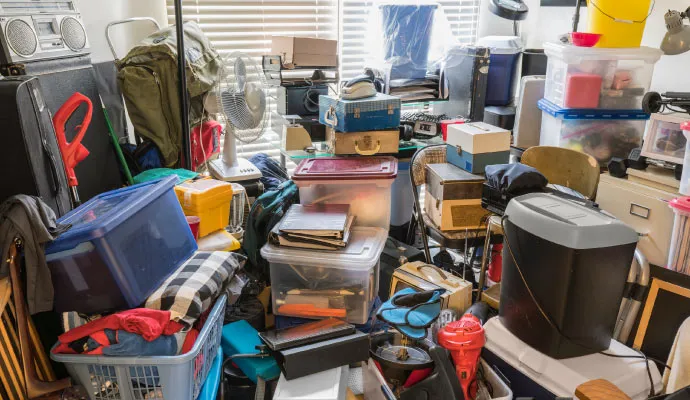
Remove everything from floors, under beds, and inside closets. Bed bugs hide in clutter, and excess items block heat penetration during heat treatment or chemical coverage during spray treatment.
- Remove items from under the bed
- Clear closet floors
- Empty dresser drawers
- Remove items from nightstands and shelves
- Take down curtains and drapes
- Remove all items from the floor, including shoes, boxes, and bags
Step 2: Bag All Fabrics
All fabric items must be sealed in contractor-grade bags before treatment. Use clear heavy-duty bags (2–3 mil thickness) so contents remain visible for sorting later.
- Clothing — including coats, hats, gloves, and accessories
- Bedding — sheets, pillowcases, blankets, comforters, mattress pads
- Curtains — all window treatments, drapes, and valances
- Towels — bath towels, hand towels, washcloths
- Linens — tablecloths, napkins, decorative fabric items
Use sealed contractor-grade bags. Standard trash bags tear too easily. Contractor-grade bags are thicker and less likely to rip during transport. Double-bag items if bags are thin.
Step 3: Isolate Items
Do not move infested items through clean areas. This is one of the most common mistakes made during preparation. Carrying an infested mattress through a living room can spread bed bugs to furniture and carpeting, creating a new infestation zone.
- Bag items in the infested room before moving them
- Use a designated path to move items out
- Keep bagged items in a contained area — garage, balcony, or bathroom
- Label bags as "Treated" once processed
Step 4: Strip Beds Completely
Remove all bedding, mattress covers, and linens. Strip each bed down to the bare mattress and box spring. Leave the frame intact for treatment.
- Remove fitted sheets, flat sheets, and pillowcases
- Remove mattress pads and protectors
- Remove bed skirts and dust ruffles
- Place all items directly into sealed bags
Step 5: Vacuum Thoroughly
Vacuuming removes live bugs, eggs, shed skins, and fecal matter. It also clears debris that could block treatment penetration. Use a vacuum with a HEPA filter to prevent captured bed bugs from escaping back into the air.
Focus on
- Mattress seams — run the crevice tool along all mattress piping and seams
- Box spring edges — vacuum the fabric covering and frame joints on all sides
- Baseboards — vacuum the full length of each baseboard, especially near beds
- Couch cushions — remove cushions and vacuum all surfaces, plus the frame
- Carpet edges — bed bugs often hide where carpet meets the wall
- Under and behind furniture — move beds, nightstands, and dressers to access these areas
- Inside dresser drawers — vacuum all corners and crevices
- Closet floors and corners
- Window frames and door frames
- Under area rugs
- Inside and behind nightstands
- Along mattress foundation edges
Immediately dispose of vacuum contents outside. After vacuuming, remove the vacuum bag or empty the canister into a sealed plastic bag and place it in an outdoor trash bin. Do not leave vacuum contents inside the home. Do not use the vacuum for routine cleaning afterward until the treatment is complete.
Step 6: Move Furniture Away from Walls
Slide all furniture — beds, nightstands, dressers, sofas, chairs, and shelving units — 6–12 inches away from walls. This gives exterminators access to baseboards and wall-floor junctions where bed bugs hide and travel.
Step 7: Remove Wall Decorations
Take down all wall art, mirrors, photographs, posters, and decorative items. Bed bugs hide behind picture frames and in the gap between the wall and frame. Stack items in the center of the room or in a designated area.
Step 8: Open Furniture for Access
- Open all dresser drawers
- Remove dresser drawers and place them on their sides
- Open closet doors and leave them open
- Open cabinet doors in kitchens and bathrooms
- Remove sofa cushions and stand them on edge
- Lift box springs off bed frames if possible
- Remove bed skirt or dust ruffle
Step 9: Protect Heat-Sensitive Items
If heat treatment is planned, identify and protect:
- Remove wax candles, melts, and diffusers
- Remove aerosol cans and pressurized containers
- Remove or protect electronics according to provider instructions
- Remove houseplants (heat will damage them)
- Remove pets and pet supplies (food, bedding, toys)
- Remove medications that specify cool storage
Step 10: Create a Clear Path
Ensure that exterminators can access every room and every wall. Clear hallways, doorways, and paths between rooms. If treatment involves moving equipment through the home, ensure pathways are unobstructed.
Common Preparation Mistakes to Avoid
| Mistake | Why It Hurts Treatment |
|---|---|
| Leaving clutter on floors | Blocks heat circulation and spray coverage |
| Bagging items but leaving bags in rooms | Bags can shield bed bugs from heat |
| Not vacuuming before treatment | Debris blocks pesticides and heat penetration |
| Moving infested items through clean rooms | Spreads bed bugs to new areas |
| Skipping one room | Bed bugs migrate to untreated areas |
| Washing but not drying on high heat | Eggs survive wash cycles |
| Putting clean laundry on untreated surfaces | Immediate reinfestation |
Room-by-Room Preparation
Bedroom
The bedroom is ground zero for most infestations. Preparation is most intensive here.
- Strip bedding: Remove all sheets, pillowcases, mattress pads, and blankets. Bag immediately
- Remove under-bed storage: Pull out totes, bins, shoes, and any items stored beneath the bed. Inspect and bag
- Pull furniture away from walls: Slide beds, nightstands, and dressers 6–12 inches from walls so exterminators can access baseboards and wall-floor junctions
- Empty nightstands and dressers: Remove all items from drawers. Place small items in sealed bags
- Remove wall art and mirrors: Bed bugs hide behind picture frames. Take everything off the walls
- Clear closet floors: Remove all shoes, bags, boxes, and floor storage
Living Room
Sofas and recliners are common hiding spots, especially in homes where people nap on couches.
- Inspect couches and chairs: Remove all cushions. Check seams, tufts, and the frame beneath
- Remove blankets and pillows: Bag all throw blankets, decorative pillows, and slipcovers
- Clear under and behind furniture: Pull sofas, chairs, and entertainment centers away from walls
- Remove electronics covers: If accessible, remove back panels from entertainment units
- Bag remotes and small electronics: Place in sealed bags until treatment is complete
Closets
Closets provide dark, undisturbed hiding environments.
- Bag all clothing: Sort by person if needed, but bag everything — including off-season clothing stored in high shelves
- Separate clean vs infested items: Do not mix bagged items. If unsure, treat everything as infested
- Remove shoe racks and storage bins: Empty and bag or wipe down
- Vacuum closet corners and baseboards: Use the crevice tool along all edges
- Remove closet organizers: Fabric bins and hanging organizers should be bagged or treated
Bathroom
Bed bugs are less common in bathrooms but can still hide in towels and toiletries.
- Bag bath towels, hand towels, and washcloths
- Remove toiletries from cabinets: Place in sealed bags if cabinets will be treated
- Remove bath mats and rugs: Bag for laundry treatment
Kitchen and Dining Area
Less commonly infested, but food-related prep is needed if these areas are part of the treatment zone.
- Bag tablecloths, placemats, and napkins
- Remove food from open packages: Store in sealed containers
- Remove items from pantry shelves: If treatment extends to kitchen areas
- Clear counters of small appliances: Wrap in plastic or move to untreated areas
Bed Bug Laundry Treatment (Heat System)
Professional laundry treatment is essential for full elimination. While washing and drying at home can help, professional treatment offers higher temperatures, larger capacity, and contamination-free processing.
The Professional Laundry Process
Collection of sealed infested items. Professionals coordinate pickup of bagged items from the treatment site. Items remain sealed during transport to prevent cross-contamination.
Industrial high-heat washing. Commercial washing machines use hotter water and longer cycles than residential units. Water temperatures reach 140°F+, which is lethal to bed bugs and eggs.
High-temperature drying (120–140°F+). Commercial dryers maintain sustained temperatures above 120°F for the entire drying cycle — typically 45–60 minutes. This consistent heat ensures complete kill of all bed bug life stages.
Steam treatment when required. For items that cannot withstand machine washing — such as delicate fabrics, shoes, or decorative items — steam treatment provides an alternative. Professional steamers deliver surface temperatures above 200°F, killing bed bugs on contact.
Clean re-bagging to prevent reinfestation. After treatment, items are folded and sealed in clean bags. This prevents any surviving bed bugs outside the laundry area from re-infesting clean items.
What Laundry Treatment Covers:
| ITEM TYPE | TREATMENT METHOD | NOTES |
|---|---|---|
| Bed sheets | Hot wash + high-heat dry | Standard cycle |
| Clothing (cotton) | Hot wash + high-heat dry | Check care labels |
| Delicates | Steam treatment | Alternative to heat |
| Shoes | Steam + dry heat | Leather-safe options |
| Stuffed animals | High-heat dry only | 45+ minutes |
| Curtains | Hot wash + steam | Size-dependent |
| Towels | Hot wash + high-heat dry | Full cycle |
Heat kills both bugs and eggs. Unlike chemical treatments that may leave eggs unharmed, sustained heat at professional levels penetrates fabric layers and kills bed bugs at every stage of development.
Why DIY Laundry Fails
Many Chicago residents attempt to handle bed bug laundry themselves. While well-intentioned, DIY laundry treatment frequently fails for several reasons.
Common DIY Laundry Failures
Inconsistent dryer temperatures. Residential dryers rarely maintain consistent temperatures above 120°F throughout the entire cycle. Most home dryers cycle on and off to prevent overheating, creating temperature drops that allow bed bugs and eggs to survive.
Overloaded machines. When dryers are packed too full, air cannot circulate properly through the load. Items in the center of the drum may never reach lethal temperatures. Professional laundry services use commercial machines with larger drums and better airflow.
Cross-contamination during transport. Carrying infested laundry through hallways, down stairs, or past clean rooms spreads bed bugs to those areas. Even a single bug that drops off in a hallway can start a new infestation.
Improper sealing after washing. After washing, many people place clean laundry on beds or counters — which may still be infested. Clean items become re-infested immediately. Professional services re-bag items in sealed containers after treatment.
Survivability of eggs in low heat conditions. Bed bug eggs require sustained temperatures above 120°F to die. A typical home dryer cycle that dips below this threshold may kill adult bugs but leave eggs intact. The eggs hatch within 6–10 days, and the infestation returns.
When Home Laundry Works
Home laundry can be effective — but only when done correctly:
- Use the hottest water setting the fabric allows
- Dry on high heat for at least 45 minutes — do not stop mid-cycle
- Do not overload the dryer — leave room for air circulation
- Transport laundry in sealed bags
- Immediately place dried items in clean, sealed bags
- Do not place clean laundry on any surface until treatment is complete
Professional heat treatment eliminates these risks. Bed bug laundry Chicago services use industrial equipment, verified temperature monitoring, and contamination-free workflows to guarantee complete elimination.
Bed Bug Furniture Infestation
Furniture is one of the most challenging elements of bed bug removal. Fabric furniture provides deep hiding zones that are difficult to treat and often require specialized approaches.
Furniture Commonly Infested:
Mattresses
Mattresses are the primary harborage site for bed bugs. The seams, tufts, and folds provide countless hiding spots. Heavy infestations can leave mattresses stained and unsalvageable.
Box springs.
Box springs are even more problematic than mattresses. The fabric covering on the underside provides a dark, protected space where bed bugs congregate in large numbers. Exterminators often treat box springs as heavily as mattresses.
Sofas.
Couches and sectionals, especially those with reclining mechanisms, offer extensive hiding spaces. Bed bugs hide in cushion seams, under the fabric, inside recliner compartments, and along the frame.
Wooden bed frames.
Cracks, joints, and mortise-and-tenon connections in wooden bed frames provide tight hiding spaces that are difficult to spray or heat effectively.
Recliners.
Recliners and upholstered chairs contain multiple layers of fabric, foam, and mechanical components — all potential hiding spots. The folds where fabric meets the frame are particularly favored.
Fabric furniture provides deep hiding zones that are difficult to treat.
Standard chemical sprays cannot penetrate deep enough into cushions, foam layers, and mechanical compartments to reach all hiding bed bugs. Heat treatment addresses this by raising the temperature of the entire item, but dense materials require longer exposure times.
Why Fabric Furniture Is High-Risk
| FURNITURE TYPE | RISK LEVEL | PRIMARY HIDING ZONES |
|---|---|---|
| Mattress | Very High | Seams, tufts, piping |
| Box Spring | Very High | Underside fabric, frame joints |
| Sofa (fabric) | High | Cushion seams, frame crevices |
| Recliner | High | Mechanism housing, fabric folds |
| Wooden Bed Frame | Medium | Joints, cracks, slats |
| Metal Bed Frame | Low | Limited hiding spaces |
| Nightstand | Medium | Drawer joints, back panel |
How Bed Bugs Infest Different Furniture Types
Mattresses and box springs.
Bed bugs prefer mattresses and box springs because they are close to their human hosts during sleep. They hide in the seams, under mattress tags, inside tufting holes, and along the edges of the mattress. Box springs are especially problematic because the fabric-covered underside provides a dark, warm, undisturbed harbor. In heavy infestations, hundreds of bed bugs can be found under a single box spring.
Upholstered sofas and chairs.
Couches are the second most common bed bug harbor in Chicago homes. Bed bugs hide in cushion zippers, under cushion covers, inside the folds of fabric, along the back of the frame, and within reclining mechanisms. Sectional sofas with connectors provide even more hiding spaces at the joint points.
Wooden furniture.
Dressers, nightstands, headboards, and wooden bed frames have joints, cracks, and crevices where bed bugs hide. The backs of drawers, where the back panel meets the drawer sides, are a favorite spot. The underside of wooden furniture — especially if unfinished — provides an ideal surface for egg attachment.
Metal furniture.
Metal bed frames and furniture offer fewer hiding spots, but joints, brackets, and screw holes can still harbor bed bugs. Metal frames are easier to treat because they heat up faster and are less porous than wood.
How to Inspect Furniture for Bed Bugs
Use a flashlight and a thin object like a credit card for probing:
Mattress:
Check along the entire seam line, under the mattress tag, inside tufting buttons, and along the piping edge. Look for dark fecal spots, shed skins, and live bugs.
Box spring:
Remove the fabric covering on the underside (if possible) and inspect the wooden frame and interior. This is where the highest concentration of bed bugs is often found.
Sofa:
Remove all cushions and inspect zippers, seams, and cushion edges. Flip the sofa and inspect the fabric on the underside. Check the joints where the arms meet the seat. Inspect the crevice where the back meets the seat.
Dresser:
Remove all drawers. Inspect the drawer joints, the back panel, and the underside. Check the dresser frame where drawers slide in. Look inside any screw holes or brackets.
Bed frame:
Inspect all joints, slats, and attachments. Check the headboard attachment points. Look in any hollow spaces in the frame.
Bed Bug Furniture Removal Chicago
When infestation is severe or furniture cannot be treated, bed bug furniture removal Chicago services are required. Safe removal prevents the spread of bed bugs to other areas during disposal.
The Furniture Removal Process
Wrapping in sealed plastic.
Safe removal through hallways. Removal teams follow designated pathways that minimize contact with clean surfaces. Furniture is carried — never dragged — to prevent dislodging bed bugs.
Safe removal through hallways.
Removal teams follow designated pathways that minimize contact with clean surfaces. Furniture is carried — never dragged — to prevent dislodging bed bugs.
Preventing cross-contamination.
Wrapped furniture is loaded directly into a sealed truck or trailer. No unwrapped furniture touches any surface outside the infested unit.
Proper disposal at approved facilities.
Infested furniture cannot be left on the curb or in alleyways. Chicago regulations require disposal at approved waste facilities. Leaving infested furniture on the street risks spreading bed bugs to neighbors.
Preparing space for treatment or replacement.
After removal, the area is cleaned and prepared for professional treatment or new furniture placement.
| SITUATION | RECOMMENDATION |
|---|---|
| Severe mattress infestation | Remove and replace |
| Box spring with heavy activity | Remove and replace |
| Upholstered sofa with deep infestation | Remove if treatment is not viable |
| Solid wood furniture, light infestation | Treat in place |
| Metal furniture, any infestation | Treat in place |
| Furniture with visible mold/odor | Remove regardless of infestation level |
Professional bed bug furniture removal Chicago services like Junk Robbers handle the entire process — from wrapping and extraction to disposal at approved facilities. This ensures compliance with Chicago disposal regulations and prevents the spread of bed bugs during removal.
Save vs Discard Furniture
Not all infested furniture needs to be thrown away. Knowing what to keep and what to discard can save hundreds — even thousands — of dollars.
Keep Furniture If:
Early-stage infestation.
If the infestation is caught early and bed bugs are confined to surface-level hiding spots, furniture can usually be treated effectively with heat or steam.
Solid wood structure.
Solid wood furniture is less porous than particle board or MDF. Heat treatment penetrates solid wood more effectively, and wood surfaces are easier to inspect post-treatment.
Easy access for treatment.
Furniture that can be moved to open areas, disassembled, or rotated for full access is a good candidate for treatment. Pieces that can be placed in a treatment zone with good air circulation around all sides are ideal.
High replacement cost.
Antique furniture, heirloom pieces, high-end sofas, and custom-built items are worth treating. Professional treatment costs a fraction of replacement value for quality furniture.
Minimal fabric components.
Furniture with mostly wood or metal construction and minimal fabric is easier to treat than fully upholstered pieces.
Discard Furniture If:
Severe staining or odor.
Heavy fecal staining or the distinctive musty odor of a large infestation indicates that the infestation has been active for months. These pieces are unlikely to be fully cleaned and carry high reinfestation risk.
Deep mattress or couch infestation.
If bed bugs have penetrated deep into foam layers, cushion interiors, or box spring cavities, treatment success rates drop significantly. Replacement is often more reliable than treatment.
Repeated reinfestation.
If the same piece of furniture has been treated for bed bugs and become infested again, replacement is the safest option. Repeated treatment is rarely cost-effective.
Old or damaged materials.
Furniture that is already worn, torn, or structurally compromised is harder to treat and less worth saving. Replacement with new, bed bug-proof furniture is the better investment.
Particle board or laminate construction.
These materials can warp or delaminate under heat treatment and are difficult to inspect thoroughly. Disposal is often the practical choice.
Cost Comparison: Treat vs Replace
| ITEM | TREATMENT COST | REPLACEMENT COST | VERDICT |
|---|---|---|---|
| Mattress (queen) | $150–$300 | $500–$2,000 | Replace if severe |
| Box spring | $100–$200 | $200–$600 | Treat if intact |
| Sofa (fabric) | $200–$500 | $800–$3,000 | Treat if early stage |
| Recliner | $100–$300 | $400–$1,500 | Treat if salvageable |
| Wood dresser | $75–$200 | $400–$2,000 | Treat |
| Nightstand | $50–$150 | $200–$800 | Treat |
| Metal bed frame | $50–$100 | $100–$400 | Treat |
Heat Treatment Preparation
Heat treatment is the most effective method for eliminating bed bugs in Chicago homes and apartments. The process involves raising the temperature of the entire treated area to 120–135°F and maintaining it for 4–8 hours. Proper preparation is essential for safety and effectiveness.
Preparing for Whole-Home Heat Treatment
Remove flammable items.
Heat treatment involves powerful industrial heaters that raise ambient temperatures significantly. Remove or protect:
- Aerosol cans (hairspray, deodorant, cooking spray)
- Alcohol-based products
- Cleaning chemicals and solvents
- Propane tanks and lighters
- Ammunition and firearms
- Candles and wax melts
Clear floor space
Heat must circulate freely throughout the treatment area. Remove:
- Items stacked against walls
- Boxes and storage containers on floors
- Clothes piles and laundry
- Shoes and floor clutter
- Pet beds and toys
Open access to walls and baseboards.
Heat needs to reach wall voids where bed bugs hide. Ensure:
- Furniture is pulled 6–12 inches from walls
- Baseboards are clear of debris
- Closet doors are open
- Drawers are opened or removed
- Cabinet doors are open
Disconnect sensitive electronics
High heat can damage certain electronics. Consult with your treatment provider about:
- Computers and laptops
- Televisions and monitors
- Gaming consoles
- Audio equipment and speakers
- Medical devices
- Smart home hubs and thermostats
Some electronics can remain in place if they are not heat-sensitive. Your exterminator will provide specific guidance.
What Can Stay in Place During Heat Treatment
| ITEM | CAN STAY? | NOTES |
|---|---|---|
| Furniture (most) | Yes | Pull from walls |
| Clothing (in bags) | Yes | Must be bagged |
| Mattresses | Yes | Strip all bedding |
| Wood furniture | Yes | Open drawers |
| Electronics | Sometimes | Check with provider |
| Plants | No | Remove from treated area |
| Pets | No | Remove from premises |
| Food (sealed) | Yes | Pantry items in sealed containers |
| Medications | Check | Some require removal |
Pets and plants must be removed from the premises during heat treatment. The sustained high temperatures are dangerous for animals and can damage or kill houseplants.
Chicago Apartment Bed Bug Responsibilities
The Chicago Bed Bug Ordinance (Municipal Code Sections 7-28-830 and 7-28-850) outlines specific responsibilities for both landlords and tenants. Understanding these rules is essential for anyone dealing with apartment bed bug treatment Chicago situations.
Tenant Responsibilities
Notify the landlord in writing promptly. If you find or reasonably suspect a bed bug infestation in your unit, you must notify your landlord in writing promptly. Verbal notification is not sufficient under the ordinance. Written notification creates a legal record of the report and triggers the landlord’s obligation to act.
Cooperate with treatment. Tenants must:
- Not interfere with inspections or treatments
- Grant access to the unit at reasonable times for inspection or treatment (after reasonable written notice)
- Make necessary preparations — cleaning, dusting, vacuuming — as recommended by the pest management professional
- Dispose of personal property that a pest management professional determines cannot be treated or cleaned
- Enclose personal property in plastic bags before moving it through common areas
Not retaliate or withhold access. Tenants cannot refuse access for inspection or treatment. Doing so can result in lease violation notices and legal action.
Landlord Responsibilities
Provide professional pest control services. Landlords are responsible for hiring a licensed pest management professional to treat the infestation. This includes:
- Inspecting the reported unit
- Treating the infested unit until no evidence of bed bugs remains
- Inspecting and treating adjacent units if the infestation may have spread
- Maintaining written records of pest control measures
Act promptly
Landlords must provide pest control services promptly after being notified in writing of a suspected infestation. Treatment must continue until no evidence of bed bugs can be found.
Provide educational materials
Landlords must give tenants the Chicago Department of Public Health bed bug brochure at lease signing and renewal. This brochure explains tenant and landlord responsibilities.
Provide written preparation instructions
Before inspection or treatment, landlords must send written notice to tenants explaining the tenant’s responsibilities and specific preparation steps required.
Retaliation Is Prohibited
Landlords cannot retaliate against tenants for:
- Reporting a bed bug infestation to the landlord
- Complaining to a government agency about the infestation
- Seeking assistance from a community organization or news media
- Testifying in court or administrative proceedings about the infestation
- Requesting pest control measures as required by code
Retaliatory actions include terminating a tenancy, increasing rent, decreasing services, or refusing to renew a lease.
Penalties for Non-Compliance
The City of Chicago can fine landlords or tenants for failing to comply with the bed bug ordinance. Fines may be issued to:
- Landlords who fail to provide timely treatment
- Landlords who fail to maintain treatment records
- Tenants who fail to provide access for inspection or treatment
- Tenants who fail to make required preparations
Additional Illinois State Laws
Under Illinois law, landlords are responsible for maintaining habitable premises — which includes keeping units free of pest infestations. Tenants who do not report pest issues promptly may be held responsible for damage caused by their delay.
What to Do If Your Landlord Refuses to Treat
Despite the Chicago Bed Bug Ordinance, some landlords delay or refuse treatment. If you are in this situation:
1. Send a written notice via certified mail with return receipt. This creates a dated, verifiable record
2. Document everything — take photos of the infestation, save copies of all correspondence, keep a log of dates and conversations
3. Contact the Chicago Department of Buildings at 312-744-5000 to file a complaint
4. Contact the Chicago Department of Public Health for health-related complaints
5. Consult with a tenant rights attorney — Illinois Legal Aid Online provides free resources for qualifying tenants
6. Withhold rent only after consulting an attorney — improper rent withholding can lead to eviction
7. File a complaint with the Better Business Bureau to create public record of the issue
What to Do If Your Tenant Refuses Access
If a tenant refuses access for inspection or treatment:
1. Document the refusal in writing with dates and specific requests
2. Send a formal notice stating that refusal constitutes a lease violation under the Chicago Bed Bug Ordinance
3. Consult with a landlord-tenant attorney
4. File for an administrative hearing with the City of Chicago Department of Administrative Hearings
5. Pursue eviction if the tenant continues to refuse access and the infestation threatens other units
Tenants who don’t comply can also be fined under the Chicago municipal code.
Emergency Same-Day Preparation
Some situations require immediate action. Whether you have discovered a severe infestation, have a scheduled treatment starting tomorrow, or are dealing with a sudden spread to a new room, emergency bed bug preparation follows a condensed protocol.
Urgent Steps for Same-Day Preparation
1. Bag all clothing immediately
Do not sort. Do not inspect each item. Place every piece of clothing, bedding, and fabric into contractor-grade bags and seal them completely. You can sort and launder later.
2. Strip all bedding
Remove sheets, pillowcases, mattress pads, and blankets from every bed in the home. Bag them immediately. Do not move them through clean areas.
3. Isolate infested rooms
Close doors to infested rooms. Place towels at the bottom of doors to prevent bed bugs from migrating. Do not enter infested rooms unless absolutely necessary.
4. Prepare furniture for inspection or removal
Pull beds, sofas, and dressers away from walls. Remove cushions from couches and chairs. Open drawers and closet doors.
5. Vacuum visible bed bugs
Use a vacuum with a HEPA filter to vacuum visible bed bugs, eggs, and fecal matter from mattresses, box springs, baseboards, and furniture. Dispose of the vacuum bag or contents in a sealed outdoor trash bin.
6. Seal all cracks and crevices
Use caulk to seal baseboard gaps, electrical outlet crevices, and cracks in walls or flooring. This prevents bed bugs from moving between rooms during treatment.
Emergency Kit Checklist
Keep these items on hand for rapid response:
- Contractor-grade trash bags (2–3 mil thickness)
- Heavy-duty plastic sheeting
- Packing tape
- Vacuum with HEPA filter and crevice tool
- Caulk and caulk gun
- Flashlight
- Isopropyl alcohol (for spot treatment of visible bugs)
- Disposable gloves
- N95 mask (for heavy infestations)
Post-Treatment Prevention
Prevention is the final and most important phase of bed bug removal. Without ongoing vigilance, reinfestation can occur within weeks — especially in multi-unit buildings where adjacent units may still be infested.
Immediate Post-Treatment Steps
Install mattress encasements. High-quality, bed bug-proof mattress and box spring encasements trap any surviving bed bugs inside and prevent new ones from taking up residence. Look for encasements labeled “bed bug proof” with reinforced zippers and seams.
- Encasements should remain in place for at least 1 year
- Check encasements monthly for tears or damage
- Do not remove encasements even after the infestation is resolved
Conduct regular inspections. After treatment, inspect your home weekly for 4–6 weeks, then monthly for the remainder of the year. Focus on:
- Mattress seams and tufts
- Box spring fabric
- Bed frame joints
- Baseboards near sleeping areas
- Sofa cushions and seams
Avoid used furniture. Do not bring used furniture into your home for at least 6 months after treatment. If you must acquire used furniture:
- Inspect thoroughly before bringing indoors
- Treat with heat or steam before placing in the home
- Keep new pieces isolated for 2 weeks before integrating
Keep bedding isolated from walls. Bedding that touches walls or extends to the floor provides a bridge for bed bugs to climb onto the bed. Keep bed skirts short or remove them. Tuck sheets and blankets in so they do not touch the floor.
Long-Term Prevention Strategies
| STRATEGY | FREQUENCY | EFFECTIVENESS |
|---|---|---|
| Inspect mattress encasements | Monthly | High — catches issues early |
| Vacuum baseboards and carpet edges | Weekly | Moderate — removes hitchhikers |
| Launder bedding on high heat | Weekly | High — kills any introduced bugs |
| Inspect hotel rooms when traveling | Per trip | High — prevents introduction |
| Avoid used furniture | Ongoing | Very high — eliminates primary vector |
| Seal cracks and crevices | Annually | Moderate — reduces hiding spots |
| Install interceptors under bed legs | Ongoing | High — monitors and traps |
Travel Precautions
Travel is a primary vector for bed bug introduction. When returning from trips:
- Inspect luggage before bringing it indoors
- Wash all clothing immediately in hot water
- Dry on high heat for 45+ minutes
- Vacuum luggage thoroughly
- Store luggage away from bedrooms
- Inspect your bed and mattress for 2 weeks after travel
Multi-Unit Building Considerations
If you live in a Chicago apartment building, coordinate with your landlord and neighbors. Building-wide prevention includes:
- Regular inspections of all units
- Shared laundry room maintenance
- Tenant education on reporting procedures
- Prompt treatment of any reported infestation
- Interceptor traps in common areas
- Sealing of wall penetrations and utility chases
Cost of Bed Bug Removal in Chicago
Cost is one of the most common questions about bed bug removal Chicago services. Pricing varies based on property size, infestation severity, treatment method, and the specific provider.
Typical Pricing Ranges in Chicago
| SERVICE TYPE | PRICE RANGE | BEST FOR |
|---|---|---|
| Single Room Treatment | $300–$500 | Early-stage, isolated infestations |
| 1–2 Bedroom Apartment | $650–$1,500 | Moderate activity in smaller units |
| Full Home (2–3 Beds) | $900–$4,000 | Whole-home treatment |
| Heat Treatment (per unit) | $1,200–$4,000 | Severe or widespread infestations |
| Chemical Treatment (per room) | $300–$1,500 | Mild to moderate cases |
| Bed Bug Laundry Service | $75–$300 | Fabric treatment |
| Bed Bug Furniture Removal | $100–$800+ | Infested furniture disposal |
| K-9 Bed Bug Inspection | $200–$400 | Confirming infestation extent |
| Bed Bug Inspection | $99–$150 | Initial assessment |
Heat Treatment vs Chemical Treatment Cost Comparison
| FACTOR | HEAT TREATMENT | CHEMICAL TREATMENT |
|---|---|---|
| Per-room cost | $1,000–$2,000 | $300–$800 |
| Full apartment cost | $1,500–$4,000 | $600–$2,000 |
| Number of visits | 1 visit | 2–3 visits (2–4 weeks) |
| Kills eggs? | Yes | Most chemicals do not |
| Chemical exposure | None | Residual pesticides on surfaces |
| Prep required | Remove heat-sensitive items | Extensive bagging and clearing |
| Time to completion | 1 day | 2–4 weeks |
Factors That Affect Cost
Property size and layout. Larger units require more equipment, time, and labor. Studios are less expensive than 3-bedroom apartments. Single-family homes cost more than apartments of similar square footage due to attic, basement, and crawl space considerations.
Infestation severity. A light infestation confined to one mattress is far less expensive than a severe infestation that has spread to multiple rooms, couches, and adjacent units. Some providers offer tiered pricing based on severity levels.
Treatment method. Heat treatment costs more upfront but typically resolves the problem in one visit. Chemical treatment is less expensive per visit but often requires 2–3 follow-up appointments over several weeks, which can approach or exceed the cost of heat treatment over time.
Building access. Walk-up buildings without elevators require more labor to move equipment. Buildings with limited electrical capacity may require generator-powered heaters. These factors increase costs by $200–$500.
Add-on services. Mattress encasements, follow-up inspections, K-9 detection, and residual chemical treatments may be additional. Ask your provider for a complete quote that includes all potential charges.
Is Heat Treatment Worth the Cost?
For most Chicago apartments and homes, heat treatment is cost-effective when considering:
- Single-visit resolution — no need to take multiple days off work
- No chemical residue — safer for children, pets, and sensitive individuals
- Kills all life stages — eliminates eggs along with adults and nymphs
- No preparation for follow-ups — fewer total hours of prep work
- Less risk of bed bug scatter — unlike chemicals, heat does not cause bed bugs to flee to adjacent units
Laundry Service Pricing
Professional bed bug laundry services in Chicago typically charge:
- Full apartment laundry (studio/1BR): $75–$150
- Full apartment laundry (2BR/3BR): $150–$300
- Individual item processing: $5–$15 per item
- Rush service: Additional $50–$100
Most services include pickup and delivery within 24–48 hours
Furniture Removal Pricing
Bed bug furniture removal Chicago costs vary by item type and quantity:
- Twin or full mattress & box spring: from $149 (Junk Robbers)
- Queen or king mattress & box spring: from $189
- Couch or loveseat: from $169; sectional from $259 (2-piece) or $319 (3-piece)
- Recliner or dresser: from $125
- Larger jobs by truck space: 1/8 load $149, 1/4 load $245, 1/2 load $389, 3/4 load $519, full load $659 ($129 minimum). See pricing.
- Bed bug wrapping and extra handling may affect the price; tell us about bed bugs when you request a quote.
How to Get Accurate Pricing
To receive an accurate quote for bed bug removal Chicago services:
- Schedule an inspection — most providers offer free or low-cost initial inspections ($99–$150)
- Describe the scope — how many rooms, what type of furniture, estimated severity
- Ask about bundled packages — combining treatment, laundry, and furniture removal often saves money
- Get 2–3 quotes — pricing varies by 20–40% between providers
- Ask what is included — some quotes exclude follow-up visits, mattress encasements, or preparation support
Does Insurance Cover Bed Bug Removal?
Standard renters and homeowners insurance policies typically do not cover bed bug removal. A few providers offer bed bug riders or endorsements for an additional premium. Check your policy or ask your insurance agent about pest exclusion clauses.
Some Chicago landlords carry pest control service contracts that cover treatment costs for units in their buildings. Ask your landlord or property manager about existing pest control coverage.
FAQ
Q: How can I tell if an apartment building has a history of bed bugs?
A: Ask the landlord directly about any bed bug treatments in the building within the last 12 months. Under the Chicago Bed Bug Ordinance, landlords must keep written records of pest control measures. You can also check online tenant review sites, the Chicago Department of Buildings complaint database, and ask current tenants about their experience.
Q: Should I stay in my apartment during heat treatment?
A: No. All occupants — including pets — must vacate the premises during heat treatment. Temperatures inside the unit will reach 120–135°F, which is dangerous for humans and animals. You can typically return 1–2 hours after the treatment ends, once temperatures have returned to normal levels. The treatment provider will tell you the exact timing. Most heat treatments take 4–8 hours, and you should plan to be out of the unit for the entire day.
Q: Can bed bugs survive washing machines?
A: Bed bugs can survive submersion in water, but the combination of hot water (140°F+), detergent, and agitation in a washing machine is usually lethal. However, some eggs may survive a standard wash cycle. The dryer is more reliable — 45+ minutes on high heat (120°F+) kills bed bugs and eggs with near 100% certainty.
Q: How long does bed bug treatment take?
A:
Heat treatment: 4–8 hours for a single unit, plus 1–2 hours of setup and breakdown. Most apartments are treated in a single day.
Chemical treatment: 1–2 hours per visit, but requires 2–3 visits over 2–4 weeks.
Laundry treatment: 24–48 hours for pickup, processing, and return.
Furniture removal: 1–3 hours depending on the volume of furniture being removed.
Q: Do landlords pay for bed bug removal in Chicago?
A: Yes — under the Chicago Bed Bug Ordinance, landlords are responsible for providing professional pest control services in rental properties. This includes inspection, treatment, and follow-up until no evidence of bed bugs remains. Tenants are responsible for preparation, cooperation, and reporting infestations promptly. Landlords cannot charge tenants for bed bug treatment in most cases. If the unit is a single-family home or condominium, responsibilities may be defined differently in the lease agreement.
Q: Can bed bugs return after treatment?
A:
Yes, bed bugs can return after treatment. This happens in three scenarios:
- Reinfestation from adjacent units — most common in apartment buildings. Even if your unit is completely treated, bed bugs from neighboring units can migrate back into your space through shared walls, electrical chases, or common areas.
- Reintroduction from travel or used furniture — bringing infested items into a treated home can restart the cycle.
- Missed hiding spots — if treatment did not reach all areas (e.g., inside walls, electronics, or dense furniture), surviving bed bugs can repopulate.
Building-wide coordinated treatment and ongoing prevention measures reduce the risk of return significantly.
Q: What is the fastest way to eliminate bed bugs?
A: Heat treatment combined with professional laundry and furniture removal is the fastest method. Heat treatment eliminates bed bugs in all life stages in a single day. Professional laundry treatment removes bed bugs from clothing and fabrics. Furniture removal eliminates heavily infested items that cannot be treated. This combined approach typically resolves infestations in 1–3 days, compared to 2–4 weeks for chemical-only treatment.
Q: How do I prepare for a bed bug inspection?
A:
Before a professional inspection:
- Do not clean or vacuum 24 hours before — inspectors need to see evidence
- Move furniture slightly away from walls so inspectors can access baseboards
- Strip bedding from all beds
- Provide access to all rooms, closets, and storage areas
- Alert the inspector to any areas where you have noticed bites or signs
- Keep pets secured or removed during inspection
Q: What is the difference between a visual inspection and a K-9 inspection?
A:
Visual inspection: A trained technician examines the property by sight, looking for live bugs, shed skins, fecal spotting, and eggs. Visual inspections are thorough but can miss hidden infestations inside walls, under heavy furniture, or in deep crevices. Cost: $99–$150.
K-9 inspection: A specially trained bed bug detection dog sniffs for bed bug scent signatures. Dogs can detect bed bugs inside wall voids, behind baseboards, and in furniture that visual inspection cannot access. K-9 inspections are 95–98% accurate. Cost: $200–$400.
K-9 inspections are recommended for multi-unit buildings, large homes, and situations where visual inspections have been inconclusive.
Q: Should I throw away my mattress if I have bed bugs?
A: Not necessarily. If the infestation is caught early and the mattress is structurally sound, professional treatment (heat or steam) can eliminate bed bugs. However, if the mattress is heavily infested, has deep staining, or has been infested for months, replacement is often the better choice. A mattress encasement should be installed on any replacement mattress immediately.
Q: Are bed bug foggers and bombs effective?
A: No. Foggers and bug bombs are not effective for bed bug elimination. They do not penetrate hiding spots, and the pesticide fog can actually cause bed bugs to scatter deeper into walls and adjacent rooms, spreading the infestation. The U.S. Environmental Protection Agency and Chicago Department of Public Health advise against using foggers for bed bug control.
Q: How long does it take for bed bug bites to appear?
A: Some people show bite reactions within minutes, while others develop visible welts 1–3 days later. Approximately 30% of people show no visible reaction to bed bug bites at all. This means a roommate or family member may be bitten regularly without knowing it, delaying detection of an infestation. Bed bug bites are often mistaken for mosquito bites, flea bites, or allergic reactions. The key distinguishing sign is the pattern — bed bug bites typically appear in clusters, lines, or zigzag patterns on exposed skin.
Q: Can bed bugs live in electronics?
A: Yes. Bed bugs can hide inside electronics including alarm clocks, phones, laptops, gaming consoles, televisions, and cable boxes. The warmth generated by electronics attracts them. Treatment of infested electronics is challenging because heat can damage the devices and chemical sprays should not be applied to electrical equipment.
If electronics are infested:
- Place items in sealed bags for 2–4 weeks (adult bed bugs will die, but eggs may still hatch)
- Use specialized electronics bag treatment systems (available through some pest control providers)
- Place items in a deep freezer at 0°F for 4 days (for small items)
- Consult with your exterminator about heat-safe limits for specific electronics
Q: How do bed bugs get into a clean home?
A: Bed bugs do not discriminate between clean and dirty homes. They enter through:
- Luggage after travel — the most common entry point
- Used furniture purchases — especially mattresses, sofas, and headboards
- Guest belongings — visitors can bring bed bugs in their bags or clothing
- Shared walls — migration from neighboring units in apartment buildings
- Secondhand clothing — thrift store finds and clothing swaps
- Delivery items — bed bugs can hide inside packaging and delivered furniture
- Workplaces — bed bugs can travel home in bags or clothing from infested offices
Cleanliness does not prevent bed bugs. A spotless home is just as vulnerable as a cluttered one.
Q: Can I treat bed bugs myself?
A: DIY treatment can manage very small, early-stage infestations. Vacuuming, steaming, and heat-drying fabrics can help. However, for established infestations — especially in multi-unit buildings — professional treatment is almost always required. Over-the-counter pesticides are largely ineffective due to resistance, and improper treatment can worsen the infestation by causing bed bugs to scatter.
Chicago junk removal
Skip the heavy lifting
Our crew does all the lifting and loading, and you get an upfront price before we start.
Get a Free Quote →450+ Google reviewsFinal Action Plan
Successful bed bug removal in Chicago requires a combined approach that addresses all aspects of the infestation. No single step is sufficient on its own.
The Five-Step Protocol
Step 1: Confirm the infestation. Use visual inspection, K-9 detection, or professional assessment to confirm bed bugs are present and determine the extent of the infestation.
Step 2: Prepare the space thoroughly. Follow the full preparation checklist — declutter, bag fabrics, strip beds, pull furniture from walls, and vacuum. Preparation determines treatment success.
Step 3: Arrange professional treatment. Choose heat treatment, chemical treatment, or a combination approach based on the severity of infestation, property type, and budget. Schedule treatment with a licensed Chicago pest management professional.
Step 4: Arrange laundry and furniture services. Send all fabric items for professional heat laundry treatment. Arrange furniture removal for heavily infested items that cannot be treated in place.
Step 5: Implement post-treatment prevention. Install mattress encasements, conduct regular inspections, avoid used furniture, maintain travel hygiene, and coordinate with building management for ongoing monitoring.
Why the Combined Approach Works
- Full preparation eliminates clutter and hiding spots, making treatment more effective
- Professional laundry treatment eliminates bed bugs on all fabric items — something DIY laundry often fails to achieve
- Furniture removal eliminates deep-seated infestations that may not respond fully to in-place treatment
- Coordinated extermination (heat or chemical) addresses bed bugs in the structure of the home
Without all steps working together, infestations often return. A common failure scenario: professional treatment kills bed bugs in the apartment, but infested furniture or untreated clothing reintroduces them within days.
Ready to Eliminate Bed Bugs for Good?
Contact Junk Robbers to remove infested mattresses, couches and other furniture before or after treatment. We wrap items before carrying them out and haul them to proper disposal. For inspection and extermination, work with a licensed Chicago pest control company.
Call (312) 521-0935Get my quote